
.avif)
Find & Read
No items found.



.svg)
Bio
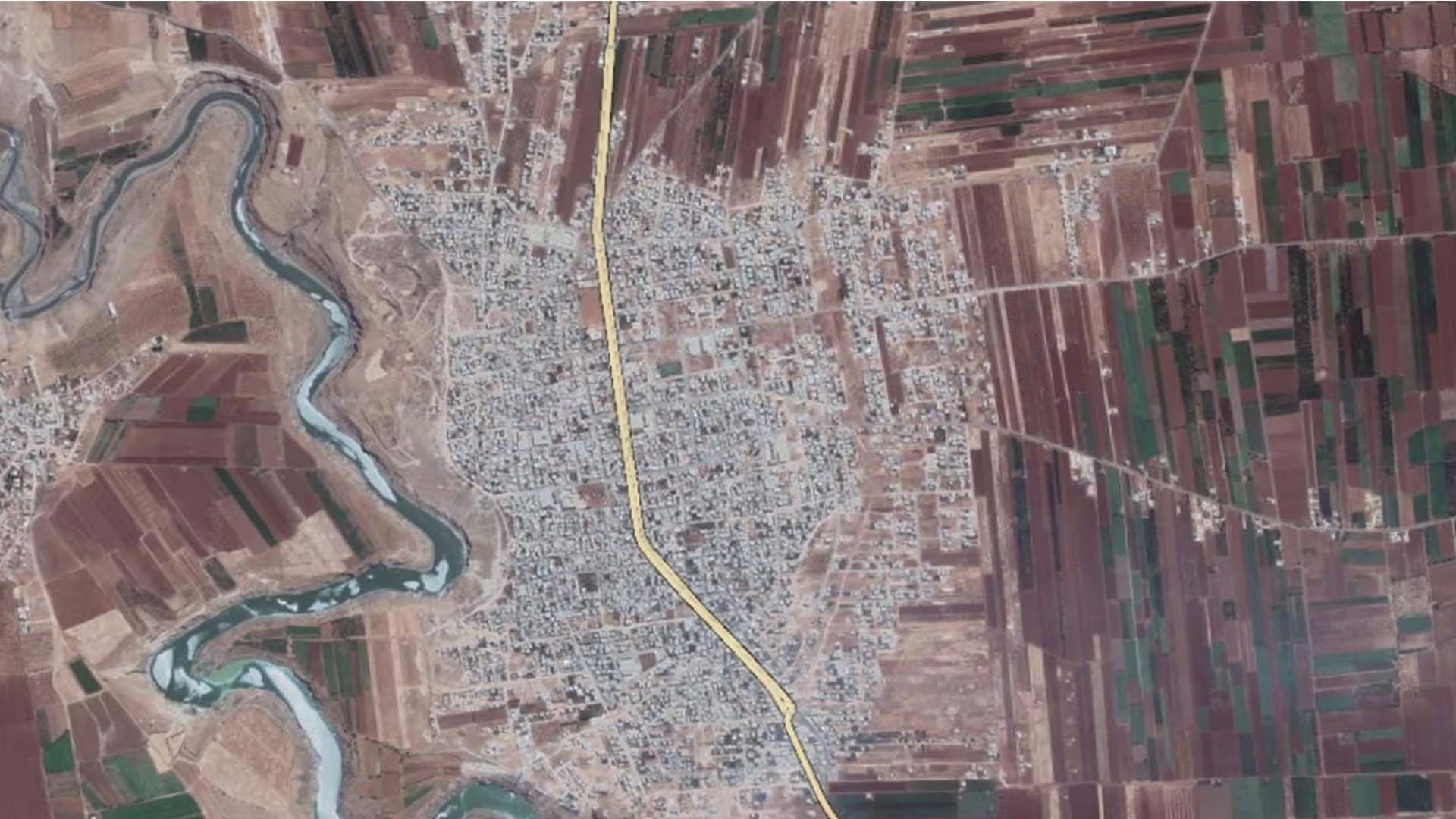
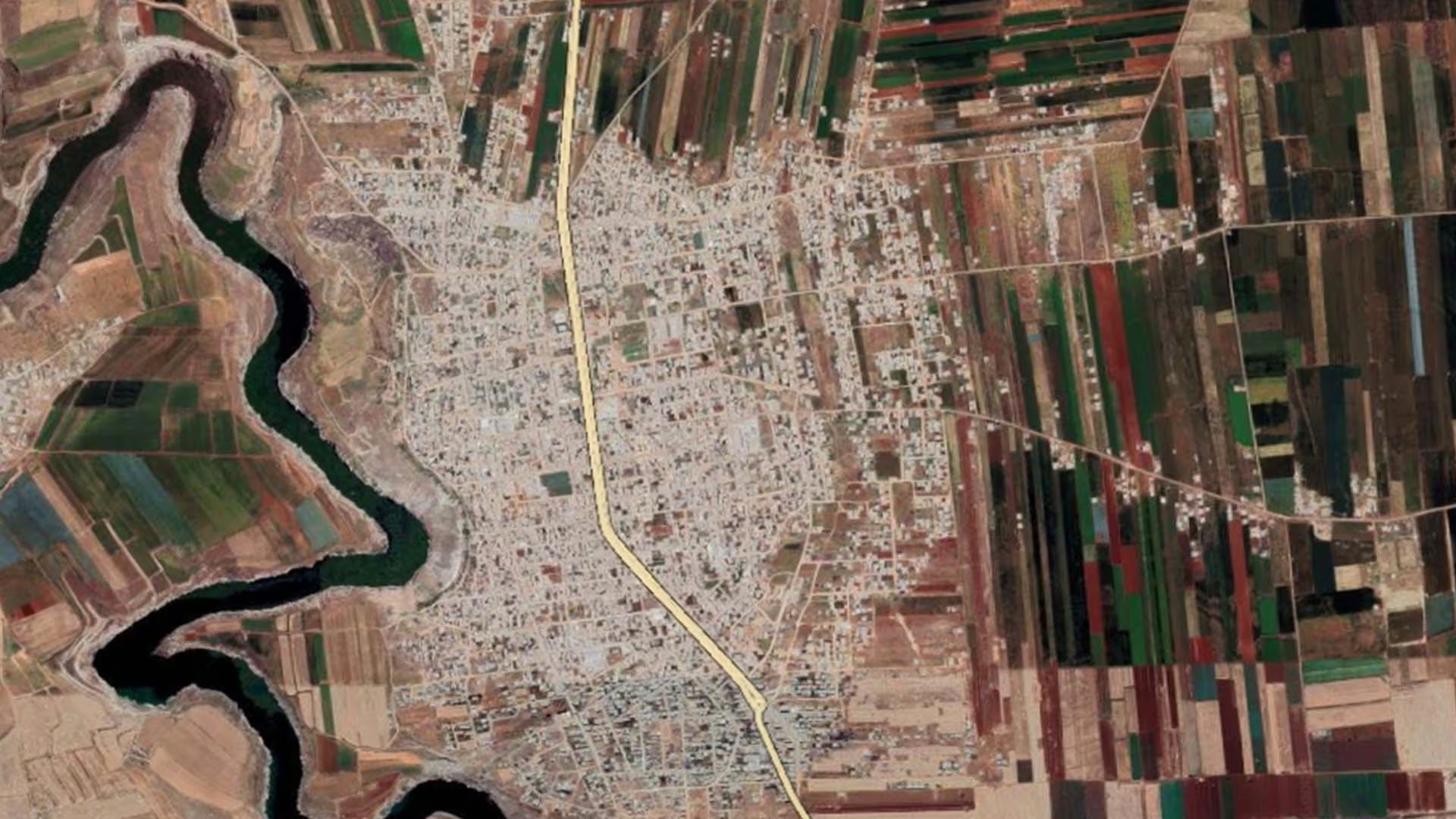
Halfaya is a town in the Mahardah district of Hama governorate, in the north-western countryside of the city of Hama. It stands on slightly raised ground with the Orontes river running along its northern and eastern edges, a position that has long tied its economy to irrigated farming and to the road traffic moving between Hama and the towns of the Orontes valley.
Agriculture is the town's defining activity. Its lands were historically known for grapes and for the grape molasses pressed from them, and later for irrigated field and orchard crops drawn from the river and from groundwater wells. Alongside farming, Halfaya is known for a traditional pottery craft producing hand-made earthenware vessels — a small-scale manufacturing tradition that sits beside the agricultural base rather than replacing it.
Damages
No published building-by-building assessment covering Halfaya itself could be located, so the documented picture available today is the governorate one. In the Syria Nationwide Housing Damage Assessment issued in January 2026 by REACH, the Shelter Cluster and UNHCR, covering 94 assessed communities in Hama governorate, an average of 27% of the housing stock was reported as completely damaged, 33% as partially damaged and 39% as negligibly damaged. The 27% figure is the highest governorate average recorded in that assessment across Syria.
The same assessment found that 16% of the assessed communities in Hama governorate reported more than half of their housing stock completely damaged — the sharpest concentration of localised structural loss recorded in the study. These are governorate-level averages across 94 communities and are not a measurement of Halfaya's own housing stock.
The assessment also sets out the repair picture, which is where recovery work begins: across Hama governorate an average of 71% of the damaged housing stock was assessed as repairable, against 29% requiring full reconstruction. That ratio indicates that the larger part of the affected stock in the governorate falls within the range of rehabilitation rather than rebuilding from foundations — a distinction that shapes the scale, cost and sequencing of any works programme in towns of this size.
.svg)

.png)


