.avif)
Find & Read
No items found.


.svg)
Bio
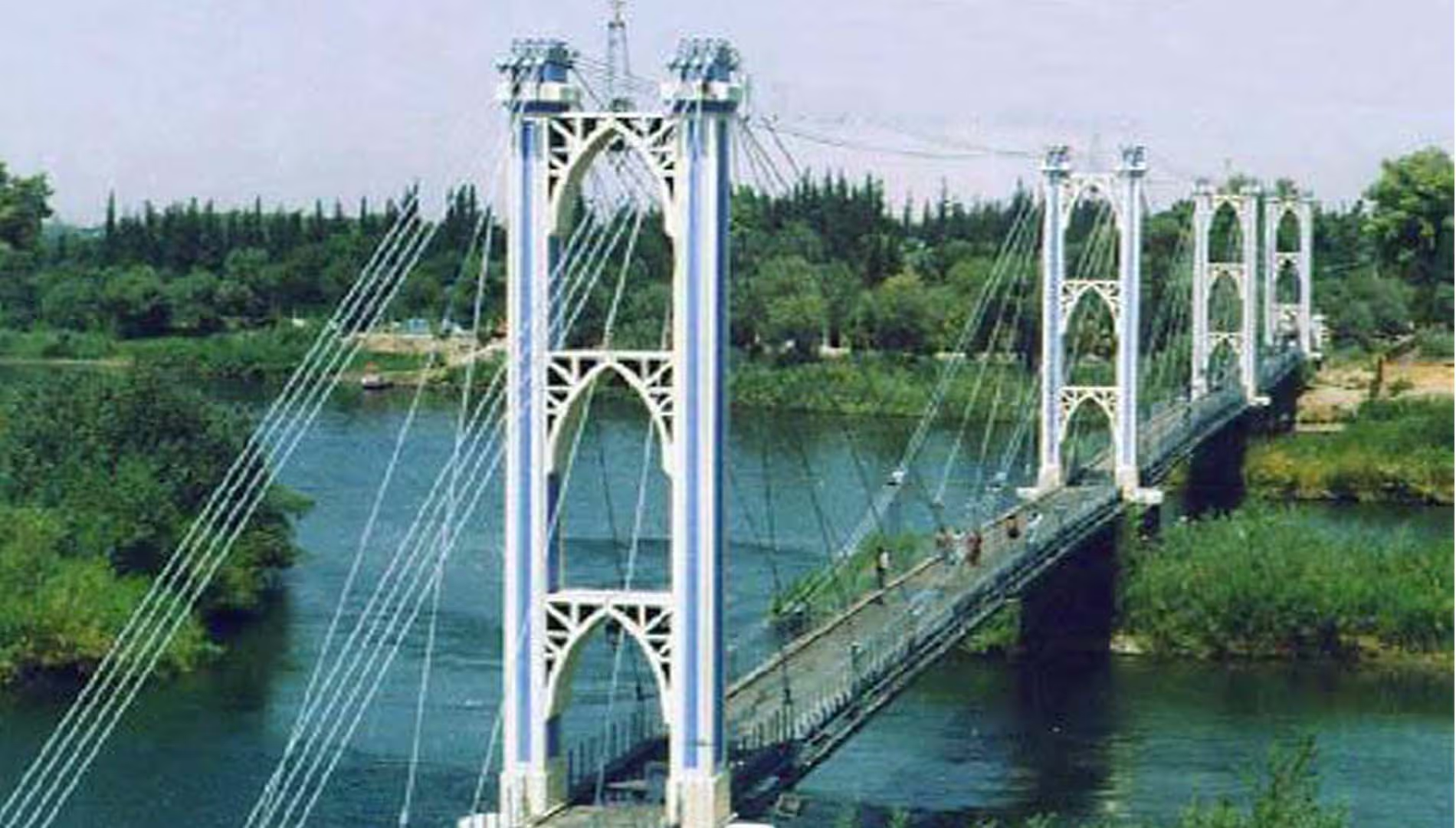
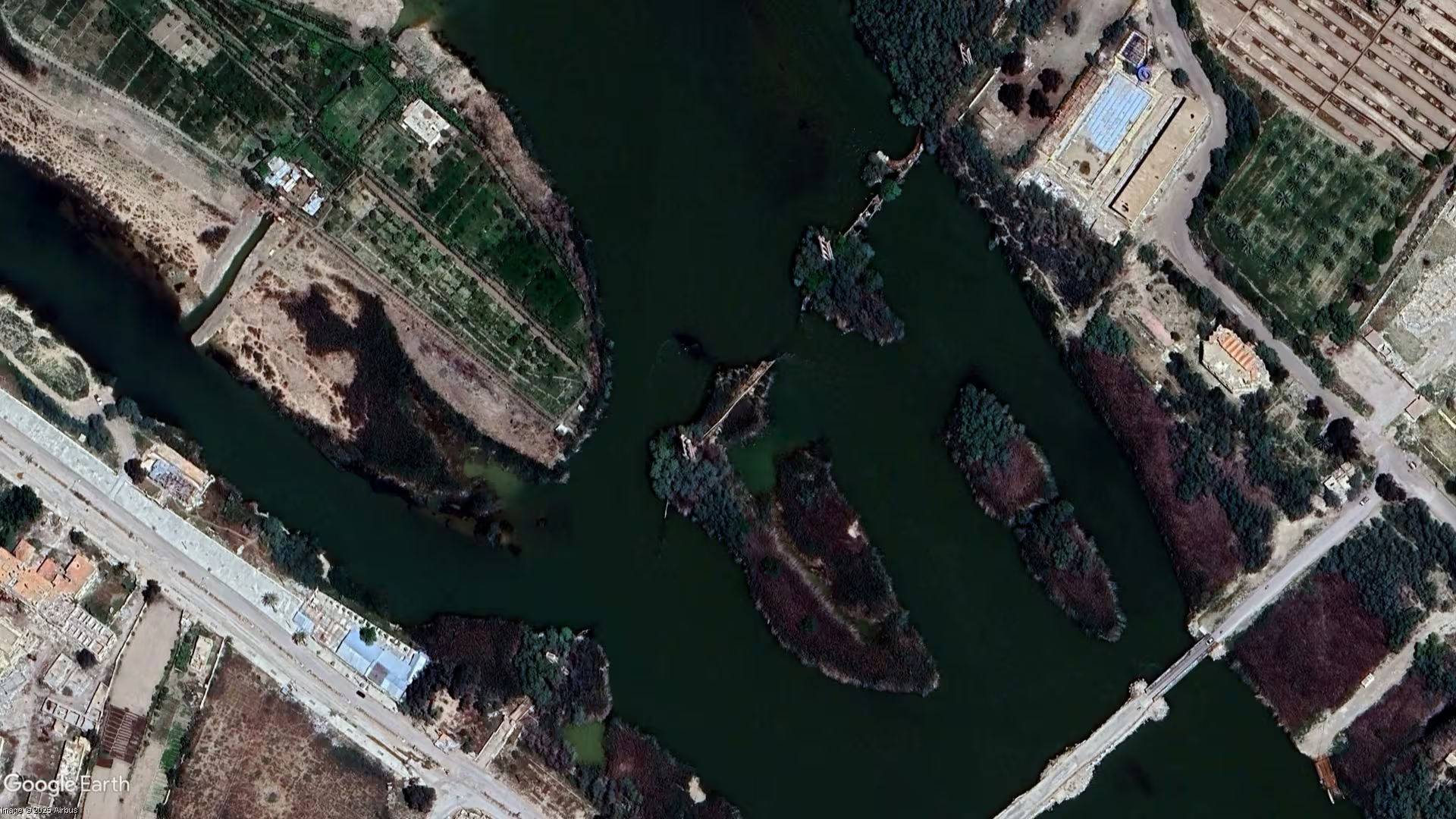
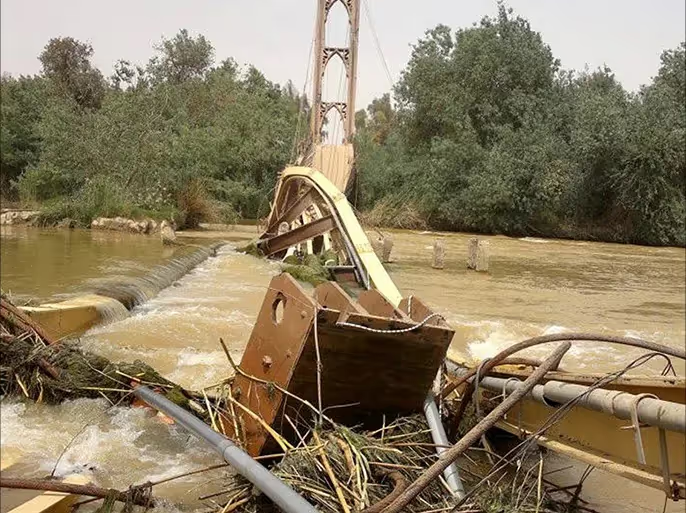
The suspension bridge crossing sits at the centre of Deir ez-Zor city, the capital of Deir ez-Zor Governorate and the largest urban centre in eastern Syria, spanning the Euphrates between the two banks of the city. In its Deir-ez-Zor Governorate Profile of June 2026, OCHA describes the governorate as Syria's second-largest by area at approximately 33,660 square kilometres, home to approximately 1.2 million people, and a strategic corridor linking north-east Syria with regional trade routes, with the Euphrates remaining the primary source of water for domestic use, agriculture and livestock production.
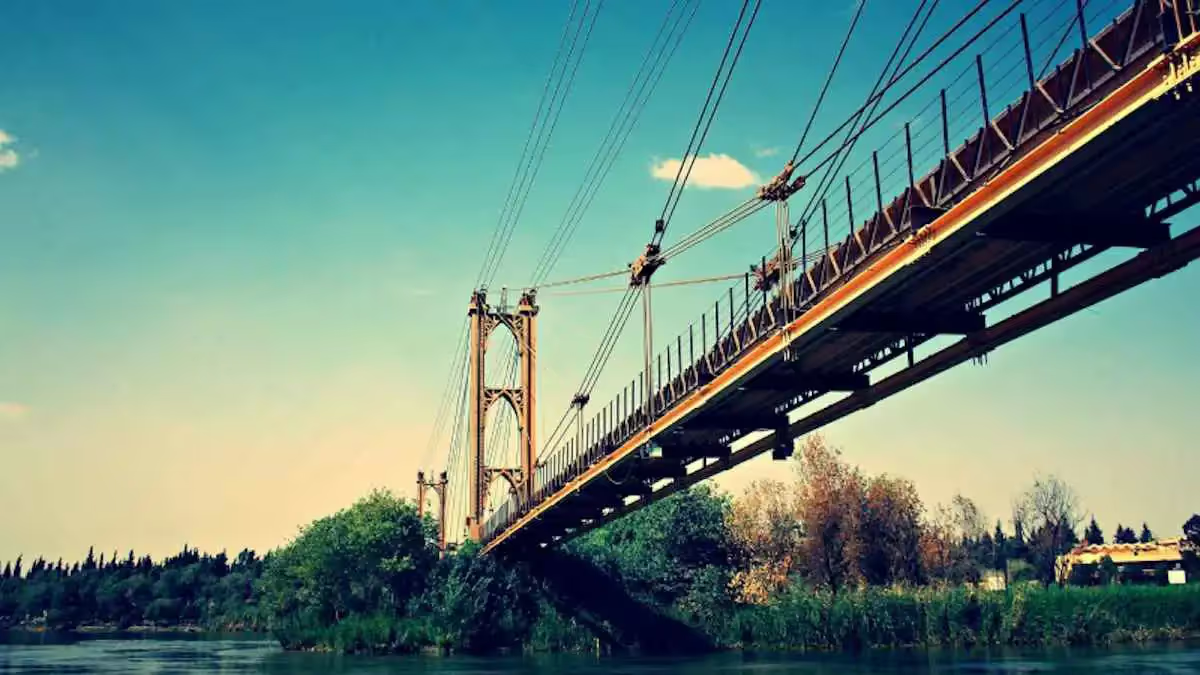
The crossing is best known for the pedestrian suspension footbridge built there in the French Mandate period, an iron structure that carried walkers rather than vehicles and became the visual emblem of the city and of the river itself. Around it lie the older commercial and residential quarters that grew along the Euphrates, and the crossing has long shaped how the city's two banks trade, commute and connect to the agricultural hinterland that surrounds Deir ez-Zor.
Damages
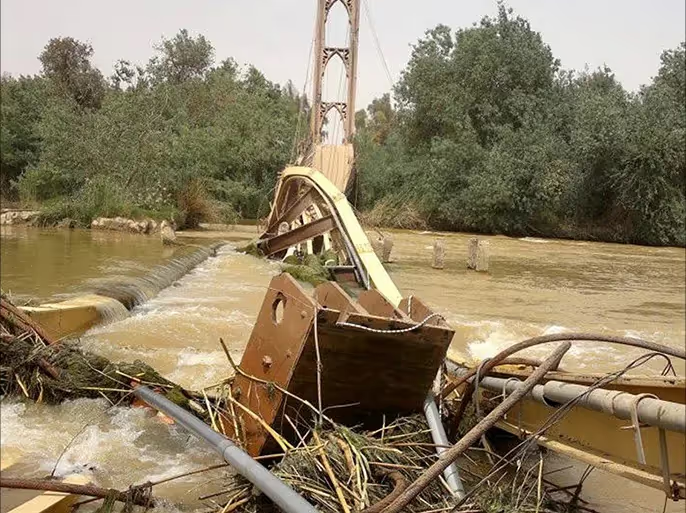
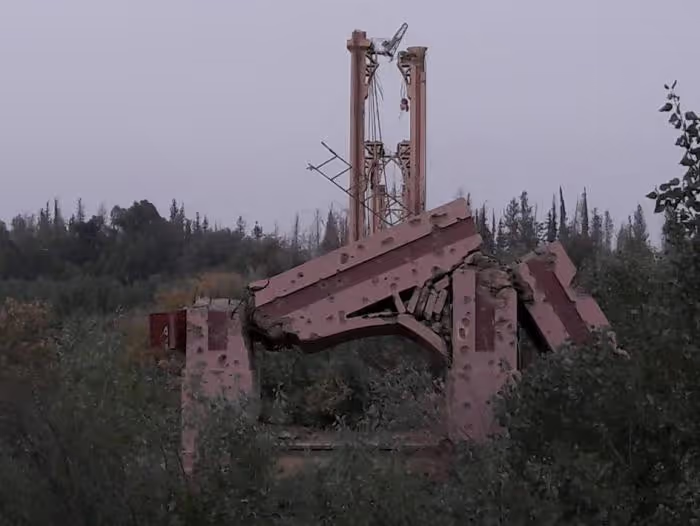
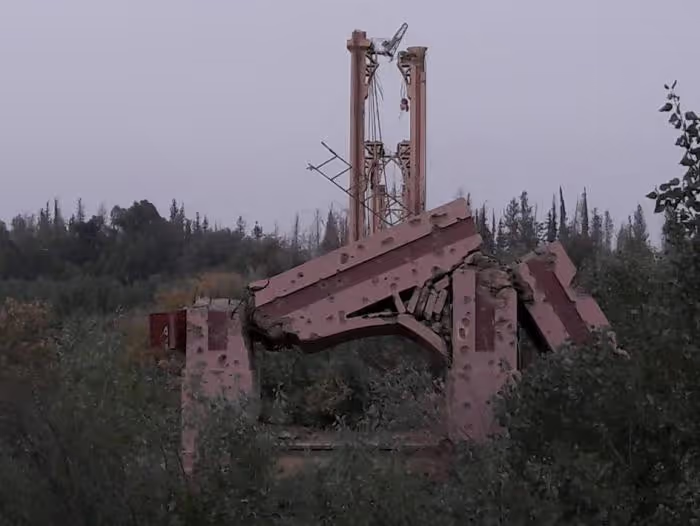
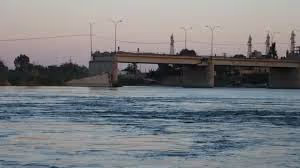
Deir ez-Zor city is among the most heavily damaged urban centres in Syria. OCHA's Deir-ez-Zor Governorate Profile (June 2026) states that approximately 80 per cent of the city remains damaged or destroyed, with only a small number of neighbourhoods fully functional, and that an estimated 50,000 houses in the city and surrounding communities require rehabilitation and repair support. The same profile records that the absence of fully functional bridges across the Euphrates continues to affect mobility, service delivery and humanitarian operations, and that communities in many locations still rely on ferry crossings.
The most detailed measurement of the crossings themselves comes from the World Bank's Syria: Joint Damage Assessment of Selected Cities (2022), which found that Deir ez-Zor sustained damage to around 59 per cent of its bridges, of which 96 per cent need major repair and 4 per cent require maintenance. The same assessment put damage at around 9 per cent of the city's road network, of which 33 per cent needs major repairs and 66 per cent requires maintenance, and estimated city-level damage costs to roads at between US$24.6 million and US$32.8 million.
No institutional source published up to August 2026 documents completed restoration work at the suspension bridge crossing itself. OCHA's June 2026 profile sets the wider direction, identifying the scaling up of early recovery interventions — infrastructure rehabilitation, service restoration and livelihood support — as essential to complement humanitarian response and support sustainable reintegration in the governorate.
.svg)
.png)